Not every tow is safe, and not every flatbed suits your car. Many people order a transport service without knowing that the wrong type of flatbed can damage their car without anyone meaning to. That's where the difference between a standard and a hydraulic flatbed matters: not just in how they look or work, but in how safely they handle the car. Here are the real differences, when each is used, and why always picks the right one for each car, keeping it safe from the first moment until delivery.
What is a flatbed?
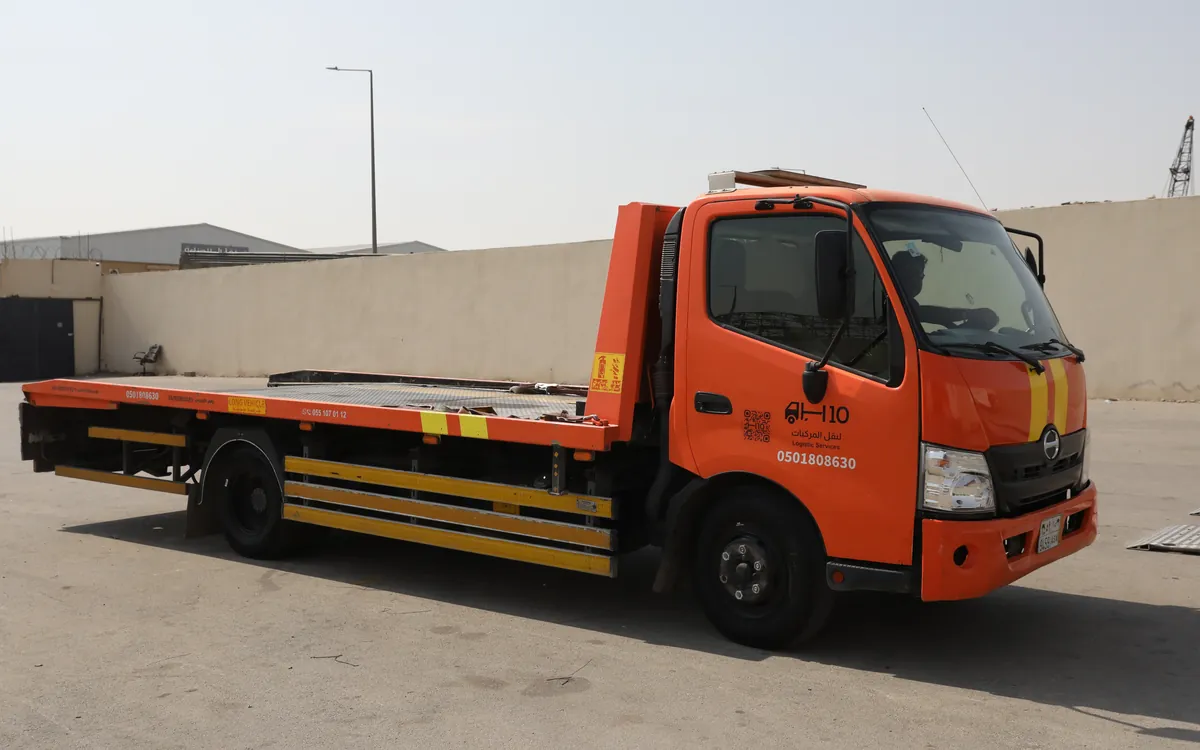
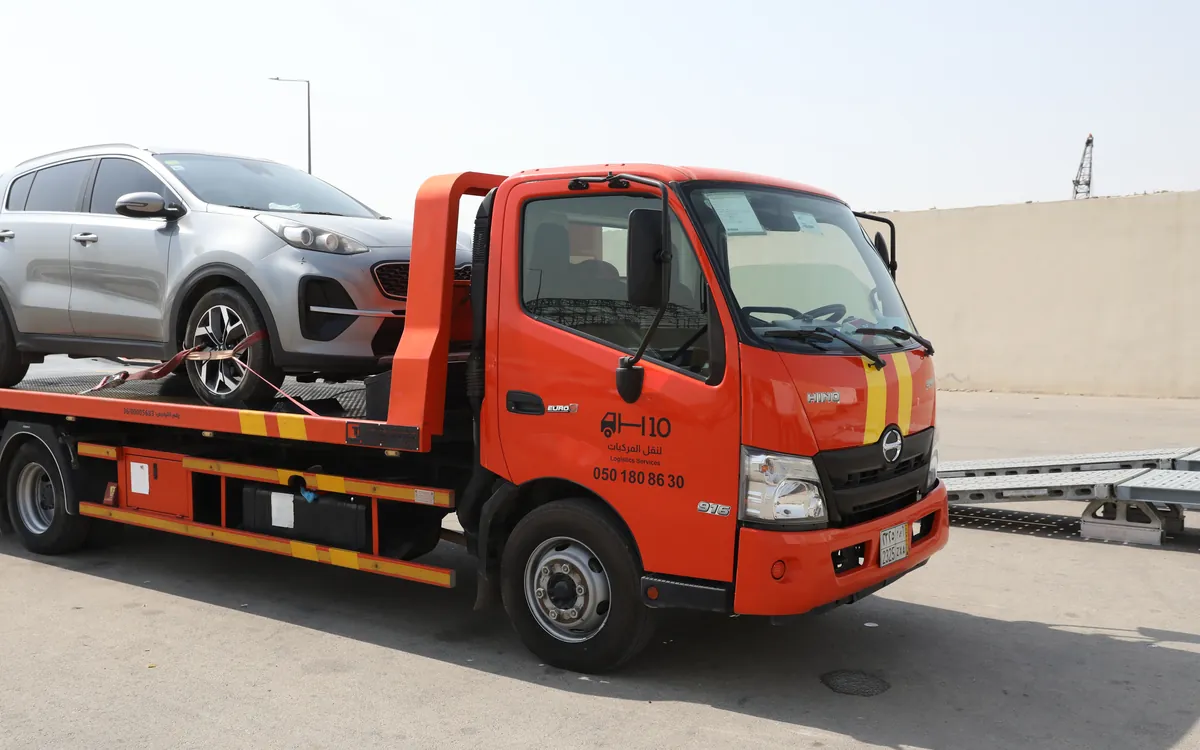
A flatbed is a vehicle used to tow cars and move them from one place to another, in emergencies such as a breakdown or an accident, or for other purposes such as moving between cities or to and from service centres.
The car is secured on a loading platform and carried without being started or driven, which makes it the ideal option in many situations.
There are different types of flatbed, which differ in how they work and how much protection they give, so it's worth knowing the difference between a standard and a hydraulic flatbed to choose the right one for the car.
Standard versus hydraulic
At we use the right flatbed for your car's condition and location, so it helps to know the difference and why we choose one over the other.
The standard flatbed
A standard tow lifts part of the car, the front or the rear, while the other wheels stay on the road during the tow. It doesn't lift the whole car, and it's mostly used for minor faults or with high cars that aren't much affected by the angle. At we use it only when the conditions keep the car safe during transport.
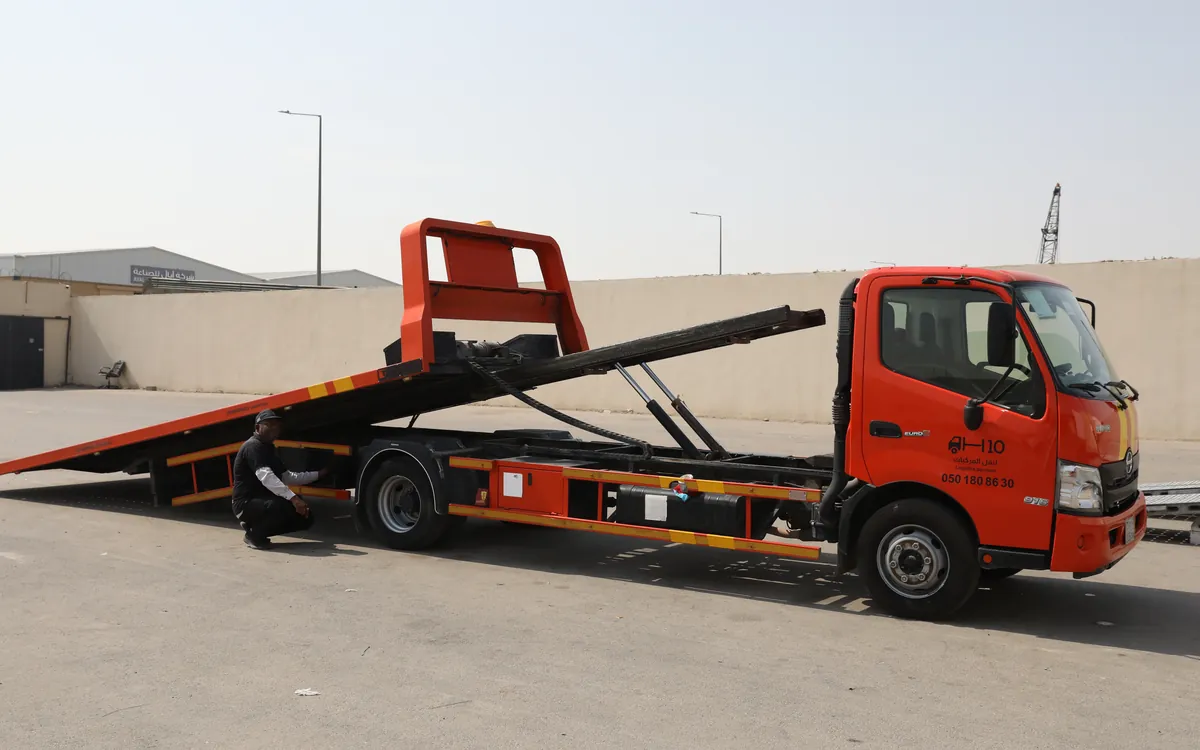
The hydraulic flatbed
A hydraulic flatbed has a complete hydraulic lifting system that lowers the bed all the way to the ground, then lifts the whole car without it touching the road. It's the safest option for low, luxury or damaged cars, because it prevents scraping and protects the body during loading and unloading. At we recommend it whenever a car needs special care and precise handling.
When we use a standard flatbed and when a hydraulic one
When you order a tow, the difference may not be obvious, but it matters a lot for moving your car safely. At we weigh it carefully, because the choice depends not only on the fault but on the car's height, its condition and the distance.
When we use a standard flatbed
We use it when the car doesn't need to be lifted completely: cars without major damage that can be towed safely, such as after a minor fault, running out of fuel, or stopping in an open, easy-to-reach place. We also use it with high cars that aren't affected by the angle. It's a quick, efficient option when the technical and physical conditions are right.
When we use a hydraulic flatbed
We use it for cars that need more care during loading and transport: low, luxury or sports cars, or cars damaged in an accident. It's also the choice in tight parking spaces or wherever loading must be precise, without scraping or dragging. It protects the whole body and is the best option for long distances or trips out of the city.
When a standard flatbed isn't recommended
At we don't use one type for every case: we assess the situation to choose what keeps your car safe. The standard flatbed works for many everyday cases, but not in these, where it could damage the body or the drivetrain:
- The car is low, or has a front or rear spoiler.
- There is a wheel fault or a problem with the suspension.
- The car doesn't run at all or can't be moved by hand.
- It's a luxury or sports car that needs special care.
- An accident has upset the car's balance or damaged an axle.
- The car must go a long distance or between cities, especially if its condition is unstable.
A customer's experience with
"It was a hard moment. My car suddenly stopped, the street was busy and I couldn't move. I was stressed and didn't know which flatbed I needed, or even that there was a difference. I contacted and just said: 'My car won't move and I don't know what to do.' Their reply was reassuring, and they asked about the car's condition and height. Then they explained simply the difference between a standard and a hydraulic flatbed, and why hydraulic was right for my case. The flatbed arrived quickly and the car was loaded easily and completely safely. Now I know choosing the right type matters, and that a team that knows what it's doing makes all the difference."
Frequently asked questions
Does the cost differ between a standard and a hydraulic flatbed?
Yes, a hydraulic flatbed usually costs a little more because of its equipment and the extra protection it gives. At we offer the best price for the right level of care for each car.
Do I need a hydraulic flatbed for a sports or luxury car?
Yes. These cars are usually low and need to be loaded level, without any angle. A hydraulic flatbed is the best way to protect them in transit.
Does provide hydraulic flatbeds in every district of Riyadh?
Yes. We provide standard and hydraulic flatbeds across Riyadh, reach you quickly wherever you are, and choose the right type before we send it.
Which is better for my car, standard or hydraulic?
It depends on its condition. If it's low, doesn't run at all, or must be moved without scraping, choose hydraulic. If it's high or can still move, a standard flatbed may be enough.