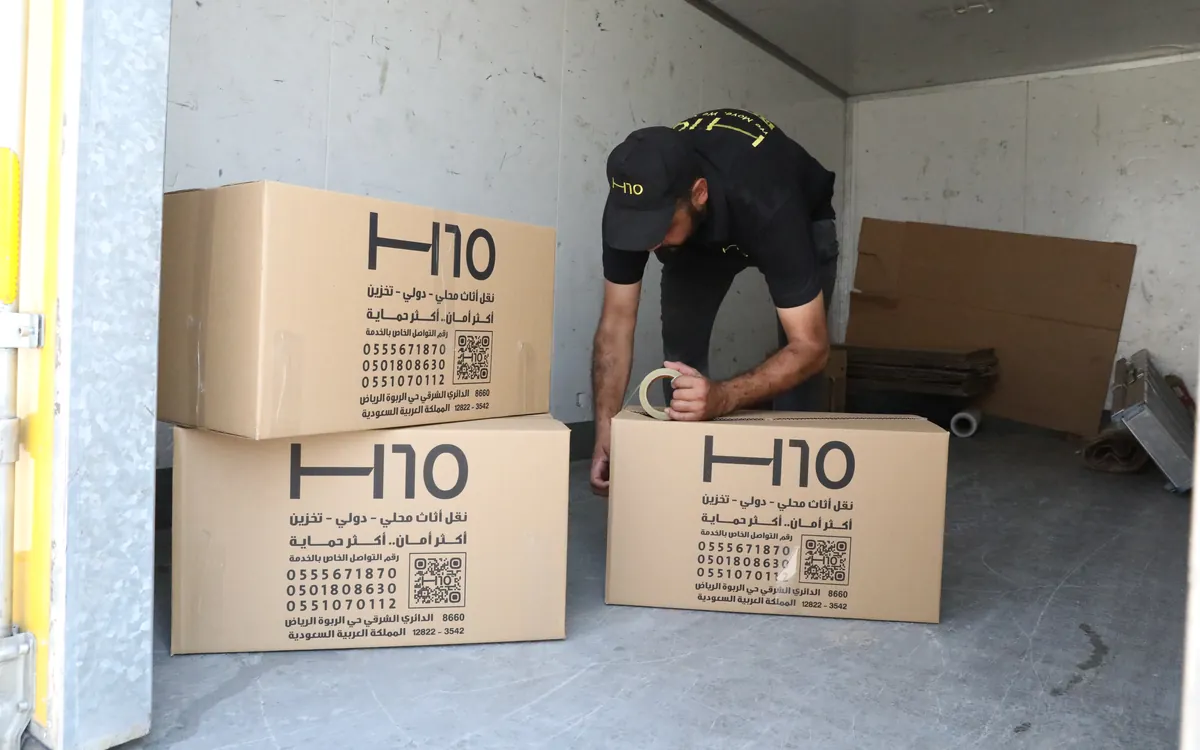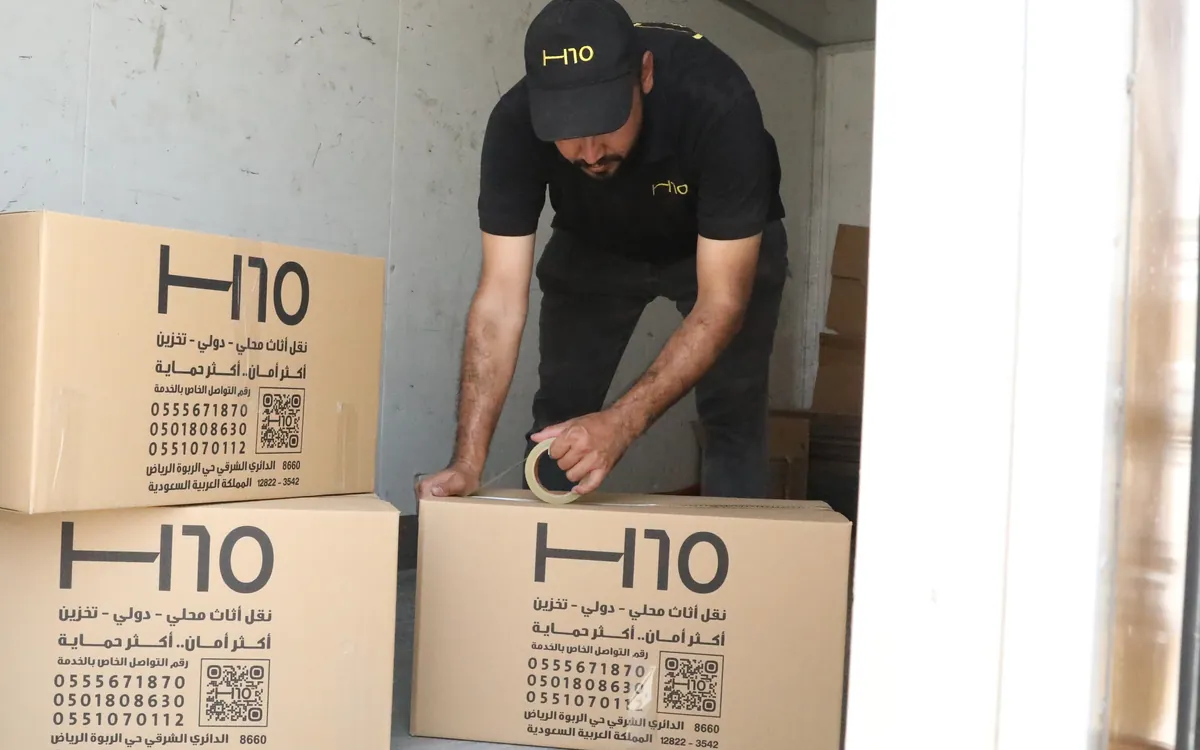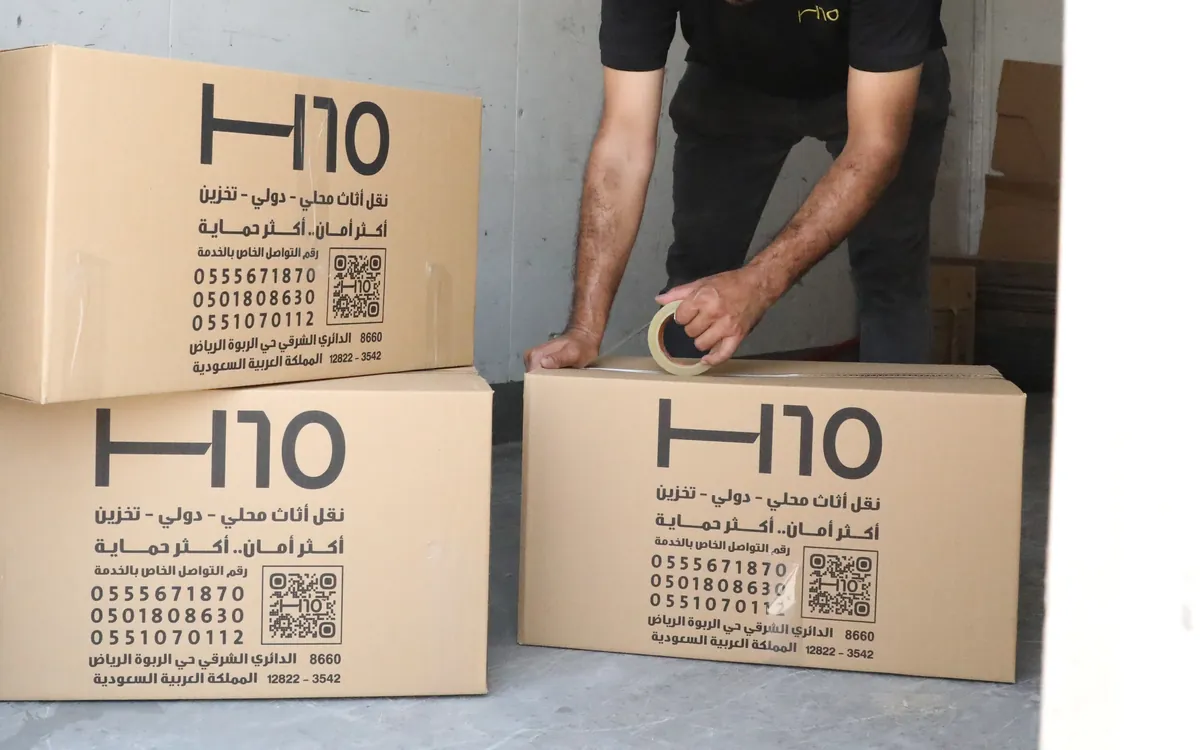
Good packing is what actually protects your furniture during a move, more than the truck itself. The rule is simple: no empty space inside a box, no bare surface on wood or glass, and no box without a label. Here is how to pack room by room, whether you do it yourself or leave it to the moving crew.
What materials do you need?
- Strong boxes in several sizes: small ones for books and heavy kitchenware, large ones for pillows and light clothes.
- Packing paper or clean newsprint, and bubble wrap for glass and appliances.
- Moving blankets or thick fabric for wooden surfaces.
- Wide tape, and a thick marker for labelling.
- Small bags for screws when you take furniture apart.
How do you pack the kitchen and glassware?
The kitchen has more breakable items than any other room. Wrap each plate on its own and stand the plates on their edges in the box, like files in a drawer, since they are stronger that way. Wrap glasses and fill them with paper. Fill every gap with crumpled paper so nothing moves when you shake the box, then label it: fragile, kitchen.
How do you pack bedrooms and clothes?
Hanging clothes can stay on their hangers inside a large bag or a wardrobe box, which saves folding and rearranging. Mattresses need a sealed bag against dust. Beds and wardrobes are dismantled, and the screws for each piece go into a small bag taped to that piece. That one habit is what makes assembly fast at the new home. Read about dismantling and assembling furniture to see what comes apart and what moves whole.
How do you pack wooden furniture and sofas?
Wooden surfaces get a layer of bubble wrap first, then a moving blanket, with the tape on the blanket rather than on the wood so it leaves no mark. Sofas are covered in plastic against dust, and removable legs are taken off and wrapped together. Glass table tops come off and are wrapped separately.
| Item | How to pack it |
|---|---|
| Plates | Each one wrapped, standing on edge in the box |
| Mirrors and pictures | Bubble wrap, then a reinforced box, moved upright |
| TVs | In the original box if you have it, or bubble wrap and a blanket |
| Wooden furniture | Bubble wrap, then a moving blanket |
| Books | Small boxes so they stay liftable |
Packing mistakes that cause breakage
The most common: a large box full of books that is hard to lift and gives way at the bottom, dishes with no padding knocking together on the road, and glass lying face down under heavy items. Another is packing liquids such as cleaning products and oils with clothes. Liquids go in a sealed bag, in a separate box.
Pack yourself, or leave it to the crew?
If you are short of time or have many delicate pieces, packing as part of the service saves you a full day. The crew brings the materials, packs, labels the boxes and loads them, and the load is insured for the whole trip. All you need to do is sort your things and keep valuables and documents with you.
Frequently asked questions
How many boxes do I need to move a flat?
It depends on the number of rooms and how much you own. The easiest option is to include packing in the service, so the crew brings the right number of boxes and materials.
Does the crew do the packing?
Yes. The crew packs furniture, appliances and fragile items, labels the boxes, then loads, moves and assembles everything at the new home.
What is the best way to pack plates?
Wrap each plate on its own, stand them on their edges in the box, and fill the gaps with crumpled paper so they cannot move.
Can I leave clothes in the wardrobe during the move?
No. Empty the wardrobe before it is dismantled, and move hanging clothes on their hangers in a large bag or a wardrobe box.